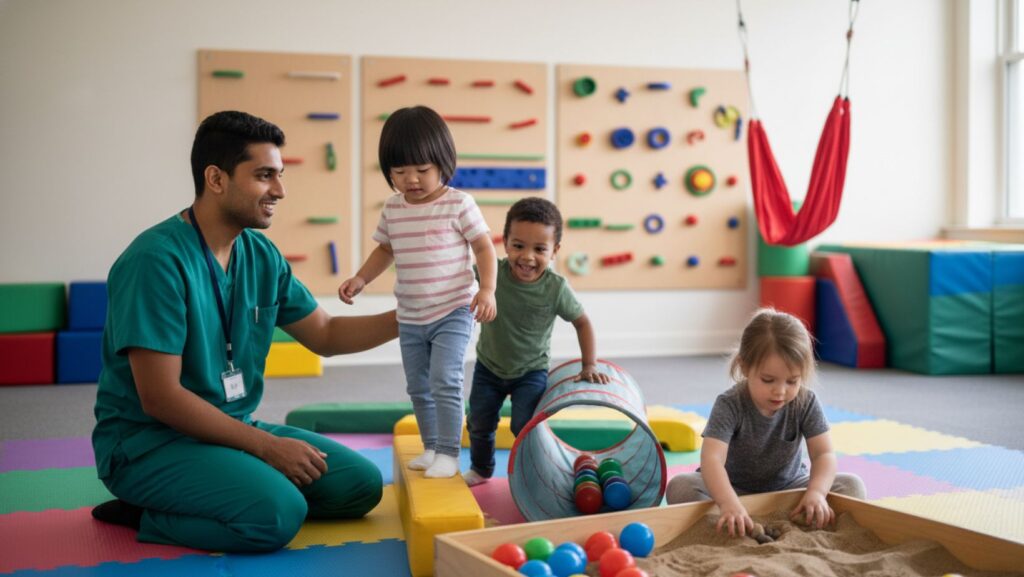
Sensory Integration Therapy is one of the most essential and effective treatments for children who struggle to process touch, sound, movement, smell, taste, visual input, and body awareness. At our Child Development Center in Trivandrum, we provide a highly structured and research-backed sensory program designed to help children understand, regulate, and respond correctly to the world around them.
Many children with Autism Spectrum Disorder (ASD), ADHD, developmental delay, learning difficulties, speech delay, and behavioral challenges experience sensory processing difficulties. Without treatment, these issues can lead to poor attention, emotional outbursts, fear of textures, difficulty sitting for tasks, low coordination, poor handwriting, and challenges in school. Our sensory integration therapy program addresses these issues directly and systematically.
Sensory Integration refers to the brain’s ability to receive, organize, and interpret information from the senses. When this process does not function properly, the child may become overwhelmed, hyperactive, distracted, irritated by certain sounds or textures, or constantly seeking movement.
Our therapy program helps the child learn how to process sensory information efficiently so they can behave, learn, and communicate more effectively.
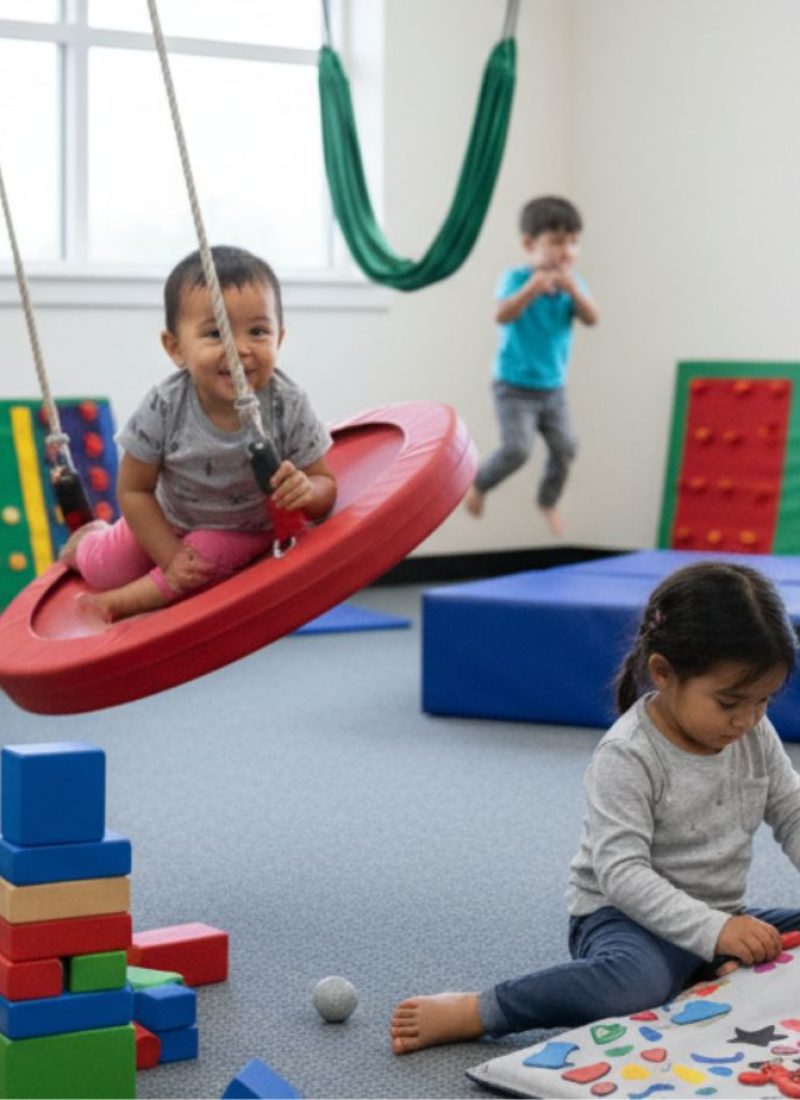
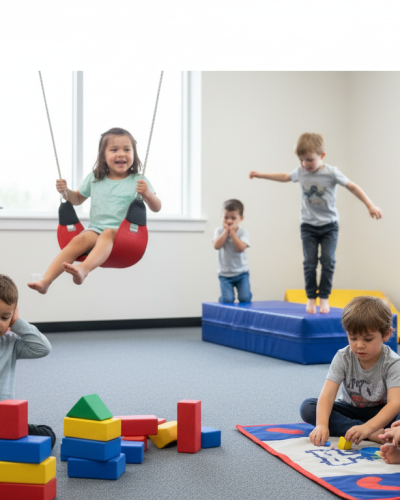
Children who show the following symptoms benefit significantly:
✅ Extreme sensitivity to touch, sound, smell, or textures
✅ Avoidance of haircuts, bathing, brushing, or wearing certain clothes
✅ Constant movement, jumping, spinning, or crashing into objects
✅ Poor balance and coordination
✅ Difficulty sitting still in class
✅ Frequent emotional outbursts
✅ Low body awareness or clumsiness
✅ Difficulty with fine motor tasks like writing, cutting, buttoning
✅ Poor attention and focus
✅ Poor response to instructions
✅ Difficulty adjusting to new environments
This therapy is commonly recommended for children with:
✅ Autism (ASD)
✅ ADHD
✅ Sensory Processing Disorder (SPD)
✅ Developmental Delay
✅ Dyspraxia
✅ Learning Disabilities
✅ Behavioral and Emotional Regulation Difficulties
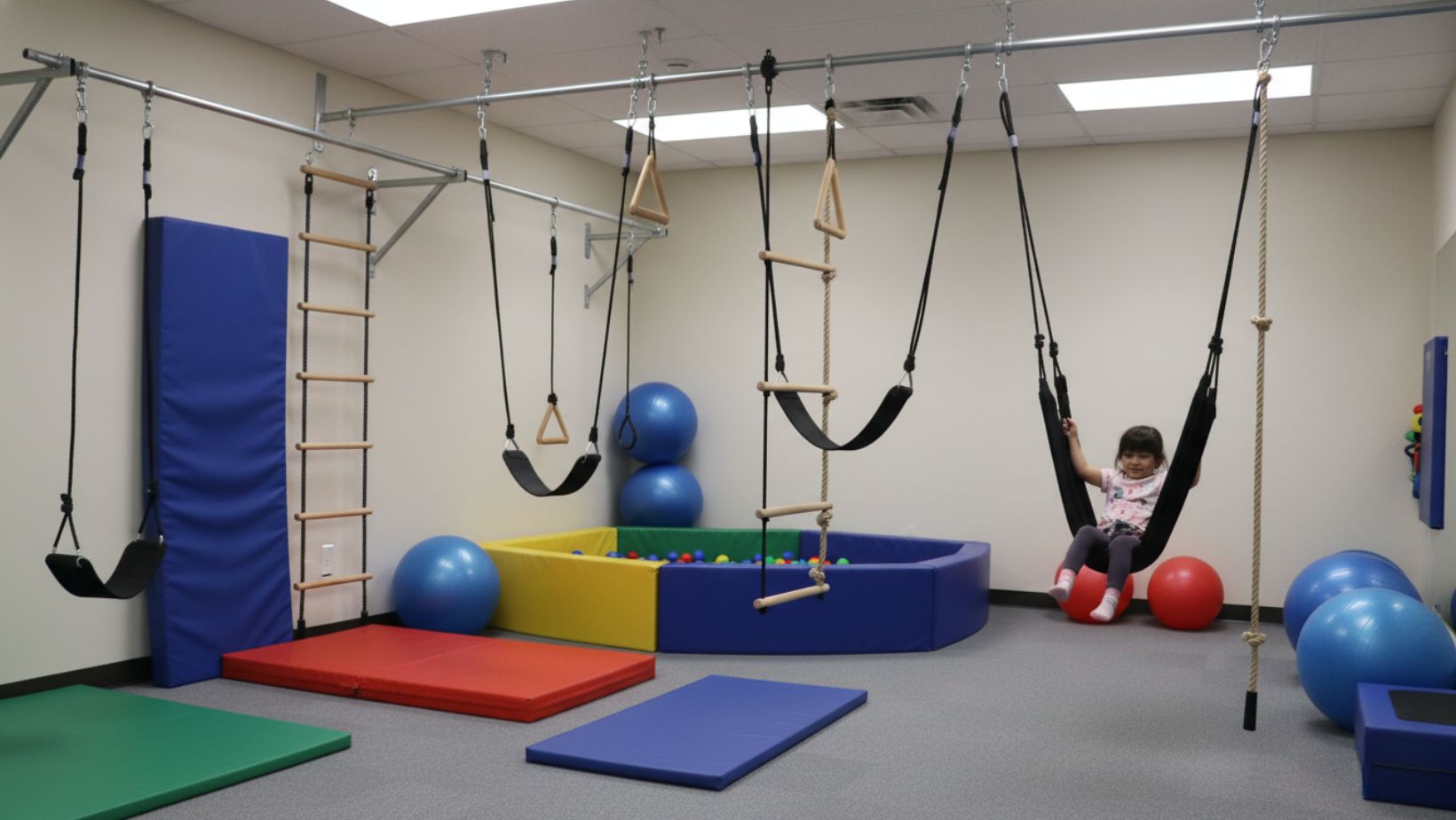
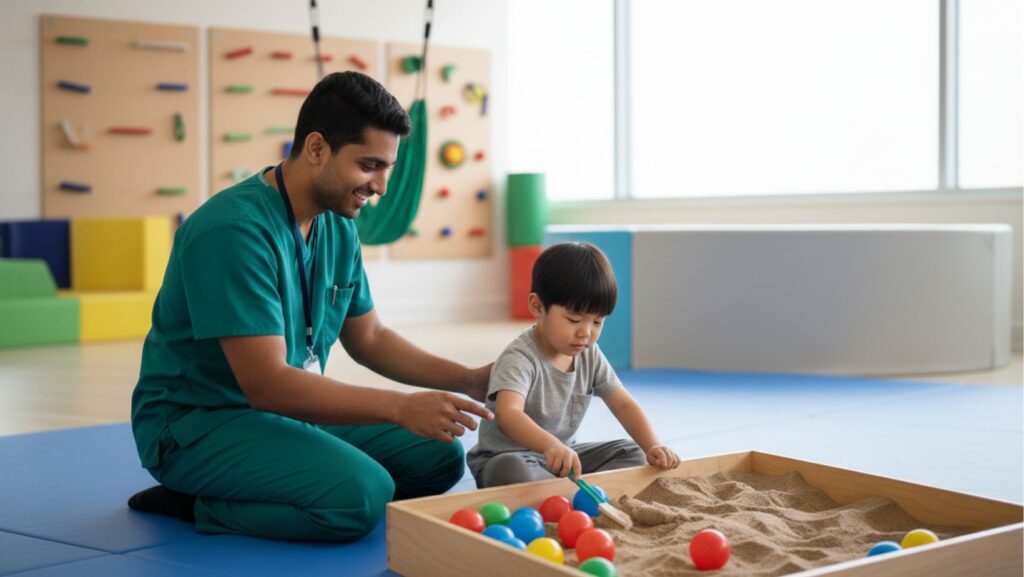
Our center in Trivandrum offers a fully equipped sensory integration room designed according to global pediatric therapy standards. The environment provides safe, structured, and engaging sensory experiences that develop your child’s brain and improve everyday functioning.
At Nivera, we provide a structured and customized behavior therapy program tailored to each child’s needs.
Equipped with:
✅ Swings
✅ Trampolines
✅ Therapy balls
✅ Balance boards
✅ Climbing setups
✅ Crash mats
✅ Weighted materials
✅ Tactile walls
✅ Obstacle courses
These tools help the child understand movement, touch, balance, and body awareness.
Our therapists are trained in handling sensory-seeking, sensory-avoiding, and mixed-profile children. Their interventions are structured, safe, and based on global best practices.
Every child is unique. Our therapy sessions are tailored to match the child’s sensory profile and developmental goals. Activities are designed to be fun, engaging, and therapeutic at the same time.
Research shows that children learn best during play. Our sensory sessions include controlled play designed to improve brain pathways, motor planning, attention control, and emotional stability.
Children undergoing our sensory therapy program commonly show improvement in:
Children become calmer, more organised, and able to sit longer for tasks.
Reduced meltdowns, irritability, anxiety, fear, and frustration.
Better self-control, improved impulse regulation, and decreased sensory overload.
Better balance, coordination, handwriting, body control, and endurance.
Reduction in:
Clothing se, nsitivityFood texture issues, Sound sensitivity, Touch avoidance
Children interact more comfortably with peers and adults once sensory stress reduces.
Improved handwriting, sitting tolerance, comprehension, and task completion.
Better grooming, eating habits, dressing, and routine management.

A detailed evaluation of the child’s sensory profile is conducted:
✅ Sensory Seeking / Avoidance
✅ Proprioceptive needs
✅ Vestibular balance
✅ Tactile processing
✅ Attention & regulatory behavior

Based on the assessment, we set specific goals such as:
✅ Reduce meltdowns
✅ Improve focus
✅ Reduce sensory sensitivity
✅ Improve coordination
✅ Enhance school performance
Parents receive easy, practical activities to continue sensory regulation at home.
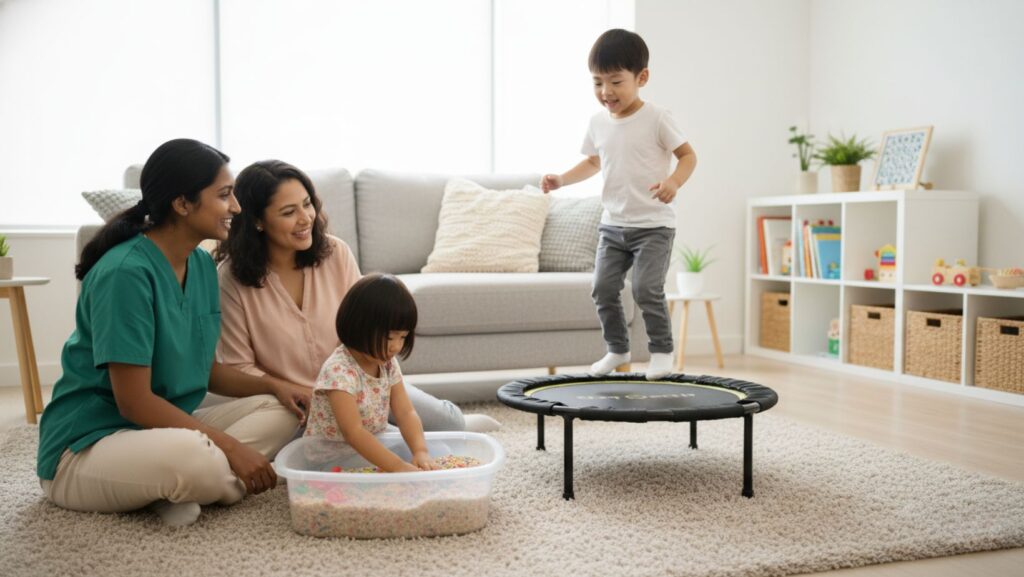
Parents receive easy, practical activities to continue sensory regulation at home.

We track improvements in behavior, sensory responses, and functional skills.

Parents typically notice:
✅ Fewer meltdowns
✅ Better calmness
✅ Less fear or irritation
✅ Improved confidence
✅ Better communication
✅ Better sleep patterns
✅ More interest in activities
✅ Improved school performance
Parents choose our center because we provide:
✅ Highly skilled therapists
✅ Safe sensory environment
✅ Personalized therapy plans
✅ Evidence-based practices
✅ Transparent progress tracking
✅ Parent training for better results
✅ Friendly, child-centered atmosphere
Your child deserves therapy that actually works — and that’s what we deliver.
Help your child regulate sensory responses, improve focus, and function confidently at home and school.
Book a comprehensive sensory assessment today
Nivera Child Developmental Center, Trivandrum
Certified Occupational Therapists | Sensory-Based Interventions | Individualized, Measurable Progress
It is a therapy that helps children process and respond to sensory input like touch, sound, movement, and visual information. It improves attention, behavior, balance, coordination, and emotional regulation.
Children who show sensory seeking, sensory avoidance, fear of textures, poor focus, hyperactivity, meltdowns, clumsiness, sound sensitivity, or difficulty with daily activities like grooming, writing, or eating benefit from this therapy.
Yes. Children with Autism and ADHD commonly have sensory processing difficulties. SI therapy helps reduce overload, improve calmness, increase attention span, and support better communication and behavior.
Sessions include structured play activities using swings, balance tools, obstacle courses, crash mats, therapy balls, tactile materials, and movement-based tasks that stimulate the child’s sensory system in a controlled way.
Duration varies depending on the child’s sensory profile and goals. Some children show progress within a few months, while others need long-term therapy. Progress is reviewed monthly.
Common signs include sensitivity to touch or noise, fear of grooming activities, constant movement, poor balance, difficulty sitting still, irritability, meltdowns, clumsiness, slow handwriting, and trouble following instructions.
Yes. When the child’s sensory system becomes regulated, emotional outbursts, hyperactivity, anxiety, and irritability reduce significantly. Children become calmer and more organised.
No. The therapy is completely safe, child-friendly, and play-based. Activities are enjoyable and tailored to the child’s comfort level and sensory needs.
Most children attend 2–4 sessions per week based on their needs. The therapist decides the frequency after the initial assessment.
Yes. Parents get simple, practical home-based activities like brushing programs, movement routines, and calming techniques to continue sensory regulation outside therapy.
Yes. Children show better sitting tolerance, handwriting, listening skills, task completion, and classroom behavior once sensory issues reduce.
It is a specially designed therapy space with swings, trampolines, climbing tools, tactile boards, balance equipment, crash mats, and sensory stations used to stimulate and organize the child’s sensory system.
Yes. Sensory therapy is safe and effective for toddlers showing early signs of sensory sensitivity, delayed milestones, fearfulness, or poor body awareness.
Yes. A detailed sensory and developmental assessment is conducted to understand the child’s needs and create a personalised therapy plan.
Most parents notice early changes like improved calmness, fewer meltdowns, better sleep, and more focus within weeks. Major functional changes develop progressively with consistent therapy.
Nivera Child Development Center, Trivandrum – providing expert care, therapies, and support to help every child grow, learn, and thrive.
